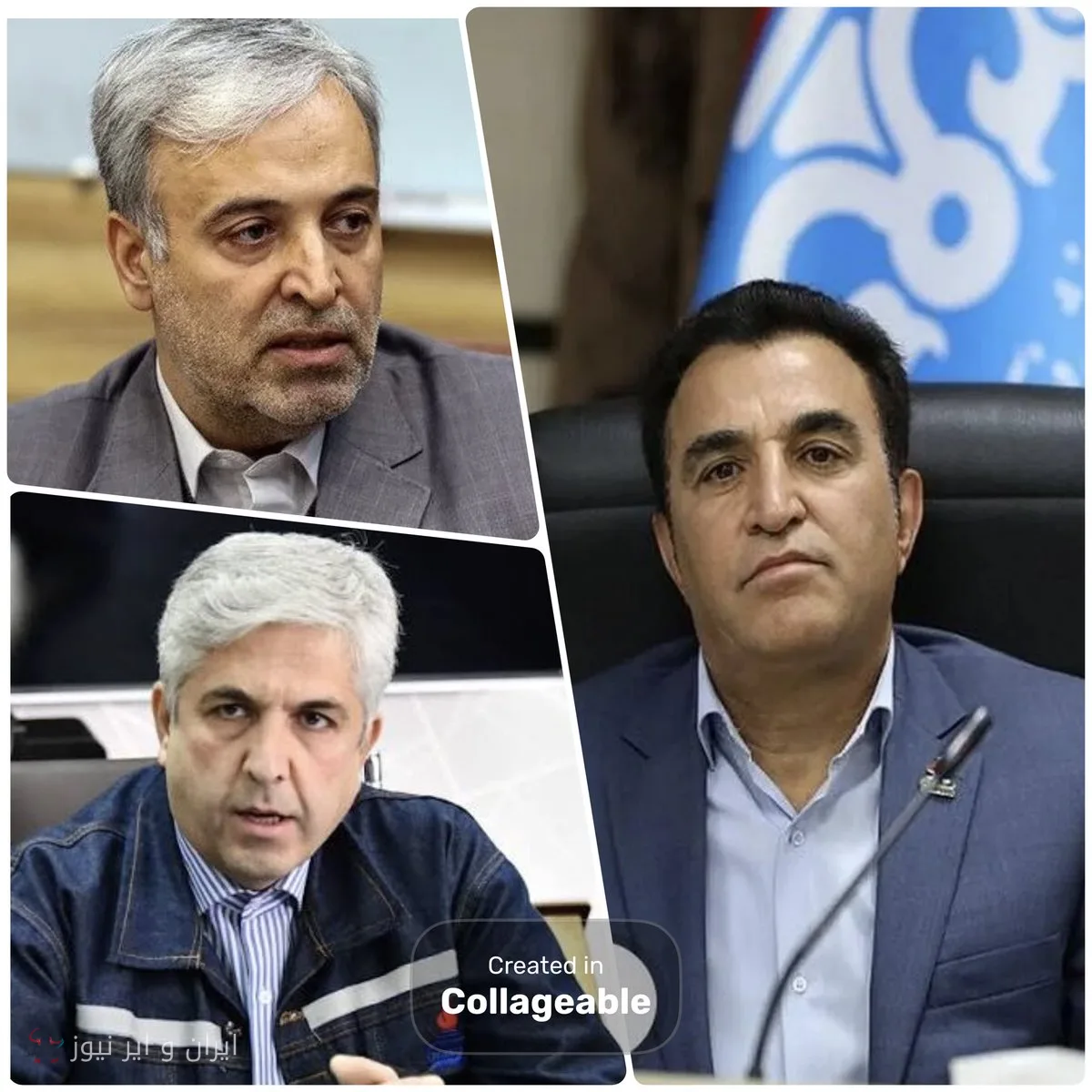
In the challenging and tense world of Iran's oil and petrochemical industry, rumors are circulating about management changes at three major refineries in the country. It seems that Hamidreza Dehghan, Abbas Mohseni Nikougoftar, and Reza Seyed Rahmani are on the verge of leaving their positions at the Shiraz, Tehran, and Tabriz refineries.
Management Changes and Their Consequences
Hamidreza Dehghan, who has been at the helm of the Shiraz refinery since October 2021, is recognized as one of the influential figures in this field. However, it now appears that he is planning to exit this position. Alongside him, Abbas Mohseni Nikougoftar, who has managed the Tehran refinery since December 2024, seems to be seeking to embark on a new path.
Finally, Reza Seyed Rahmani, who has led the Tabriz refinery since January 2025, is also caught up in this wave of management changes. These developments could not only impact the performance of these refineries but could also have significant effects on the overall oil industry in Iran.
What Will Be the Future of These Refineries?
The main question is whether these changes will benefit the oil and petrochemical industry in Iran or not? Given the current market situation and the economic challenges facing this industry, these changes could bring new opportunities or, conversely, exacerbate existing crises.
In this context, diverse opinions are being expressed by experts and stakeholders in the field. Some believe that the changes could lead to innovation and positive reforms, while others are concerned that instability in management may have negative consequences for the performance of the refineries.