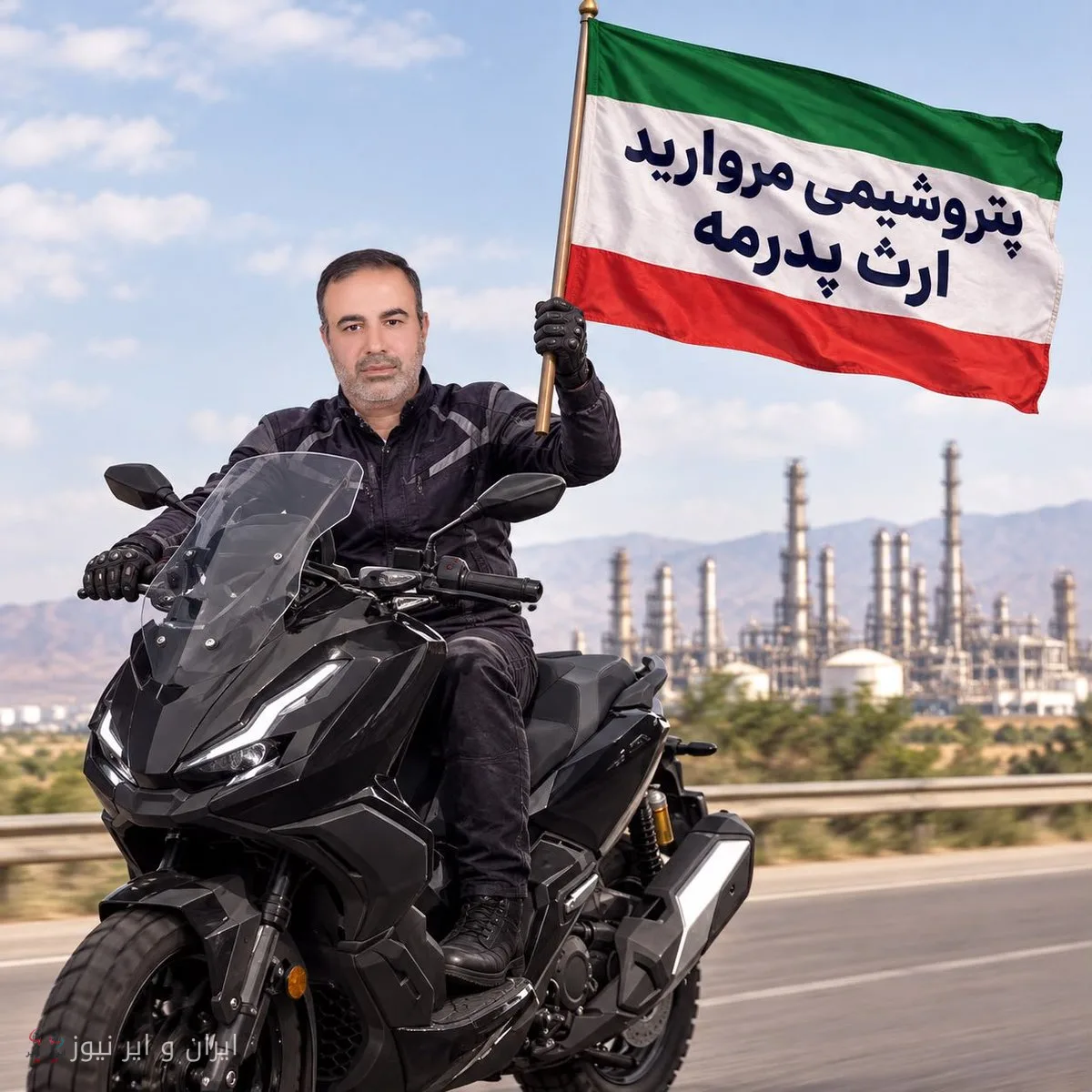
In a controversial development, Marjan Petrochemical, one of the largest petrochemical companies in Iran, is burning in the fire of obstruction and sanctions by its board of directors due to the protests of representatives of the Cultural Fund against the established center of corruption. The representatives of this fund, who hold over 48% of the shares in Marjan Petrochemical, have taken actions due to lack of transparency and the presence of corruption in the company's management, which has not only led to a new crisis in this petrochemical company but has also raised serious concerns about the future of investments by teachers and oil retirees.
The Fate of Teachers' and Oil Retirees' Investments at Risk
This action by the representatives of the Cultural Fund indicates a deep crisis in the management structure of Marjan Petrochemical. Is this company, recognized as one of the key pillars of the country's petrochemical industry, becoming a playground for certain individuals? This is a question now raised in public opinion, and answering it is critically necessary.
While Marjan Petrochemical is recognized as a strategic company in the country's petrochemical industry, management crises and internal corruption can have irreparable consequences for the employees and shareholders of this company. Many teachers and oil retirees who have invested their assets in this petrochemical company are now worried about their future. Should these individuals be concerned about losing their investments due to managerial corruption?
Given the current situation, representatives of the Cultural Fund have clearly stated that if serious changes are not made in the board of directors and transparency in management is not achieved, they will continue their actions. In the meantime, countless questions have arisen in public opinion: Who are the people behind this center of corruption, and why has no serious action been taken to confront it so far?
The case of Marjan Petrochemical is indeed a wake-up call for all institutions and large companies that must pay more attention to transparency and proper management. Is this just the beginning of a larger crisis?